Research & Projects

Projects that connect optics, image processing, and machine learning.

Improving machine vision and machine learning performance by integrating optics, image processing, and optical solutions for turbulence mitigation and Moire-based remote sensing.
💡 Curious about the header of my website?

✅ In short, it is all about my research.

When light travels through the atmosphere, a turbulent medium, it gets distorted. This creates effects such as warping, flickering, scintillation, blurring, beam wandering, and what is often called image dancing.

A simple way to picture this is to look at stars at night: their twinkling comes from atmospheric turbulence affecting the light before it reaches our eyes. You can see a similar effect above a hot road on a summer day, where the air seems to ripple.

In theory, larger telescopes should let us see smaller and farther objects more clearly. In practice, atmospheric distortion limits that advantage. This is one reason space telescopes such as the James Webb Space Telescope are placed above the atmosphere rather than built only as larger instruments on Earth.

The header video on this website was captured through a telescope and shows two cars more than 550 meters away. Within a few seconds, the image visibly dances, loses contrast, and bends geometrically. These distortions are not uniform; different regions of the frame shift in different ways.

My research focuses on this challenge by combining optical techniques, image processing, and deep learning to improve remote sensing images and make long-distance observations clearer and more reliable.

Research focus

DOCTORAL RESEARCH

Moire sensing and remote ground-motion measurement

Moire sensing

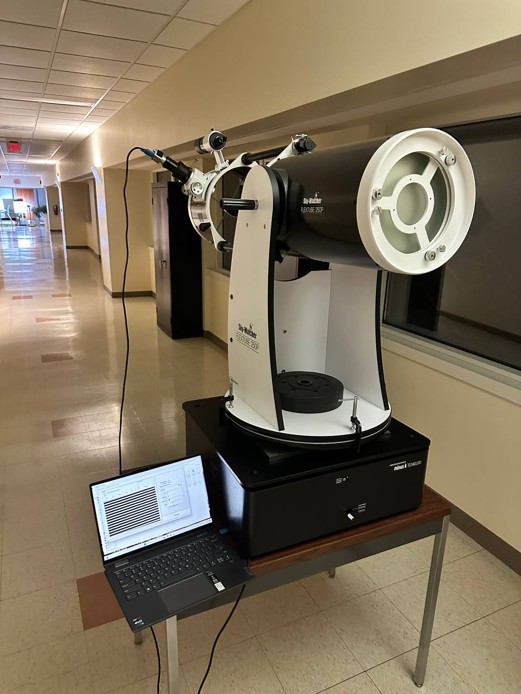
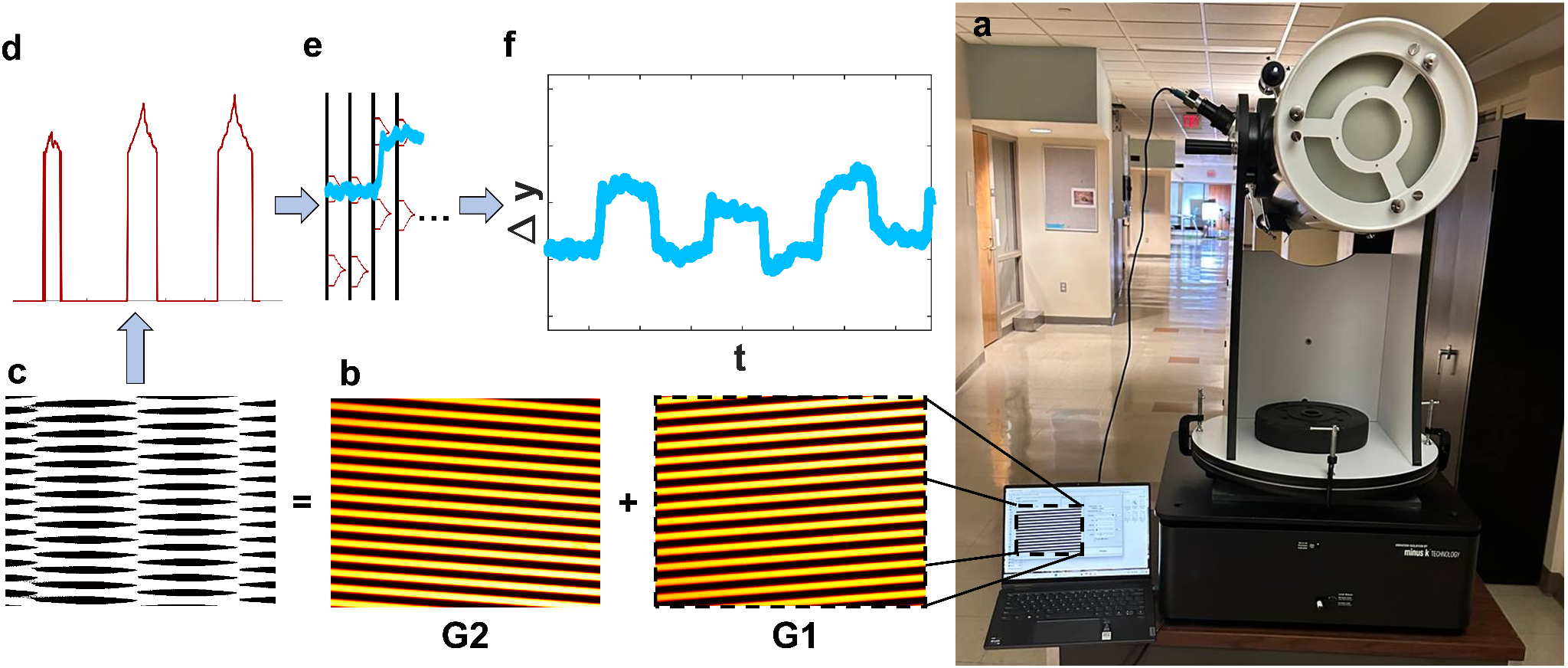
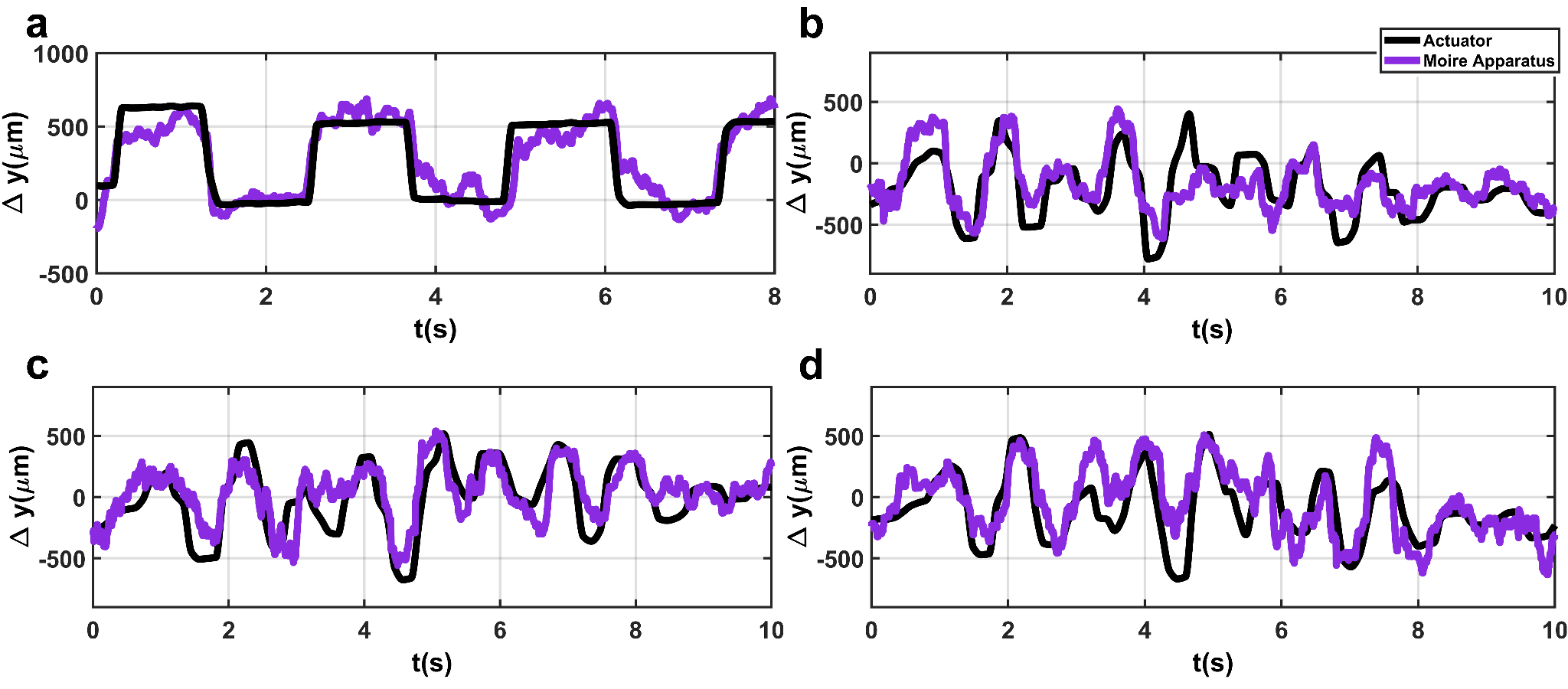
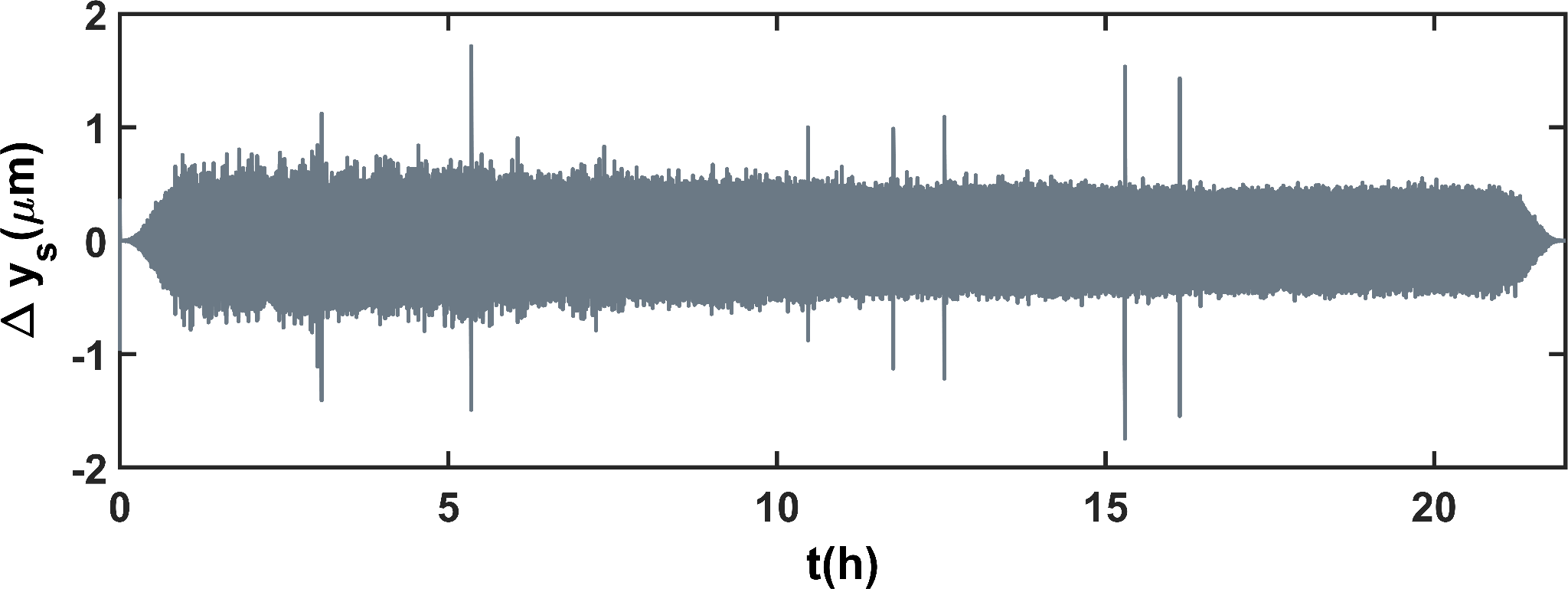
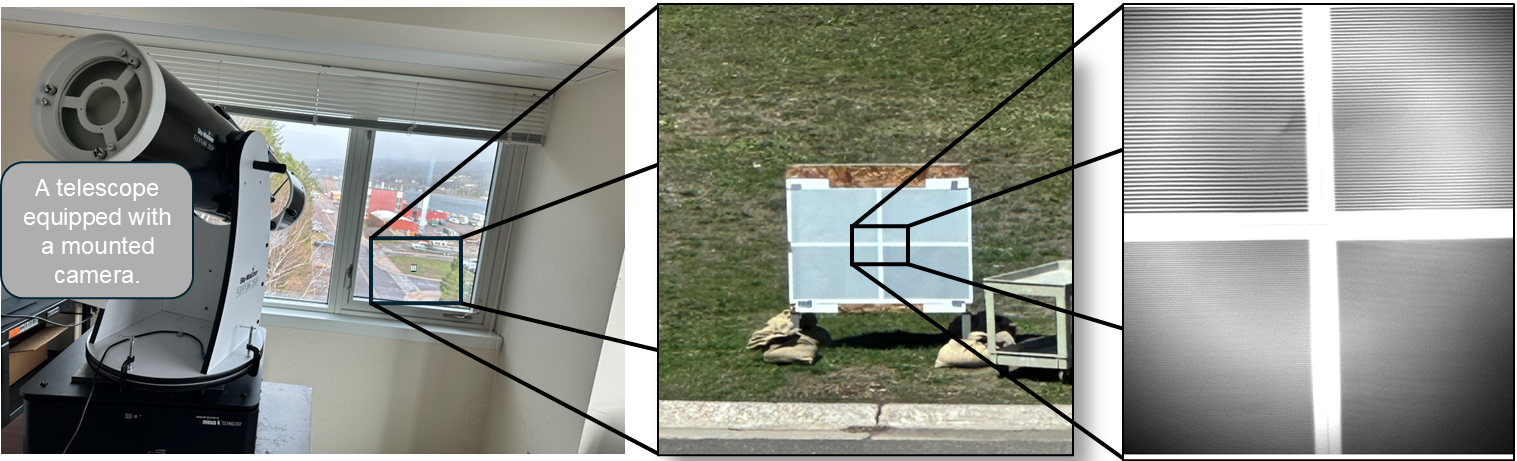
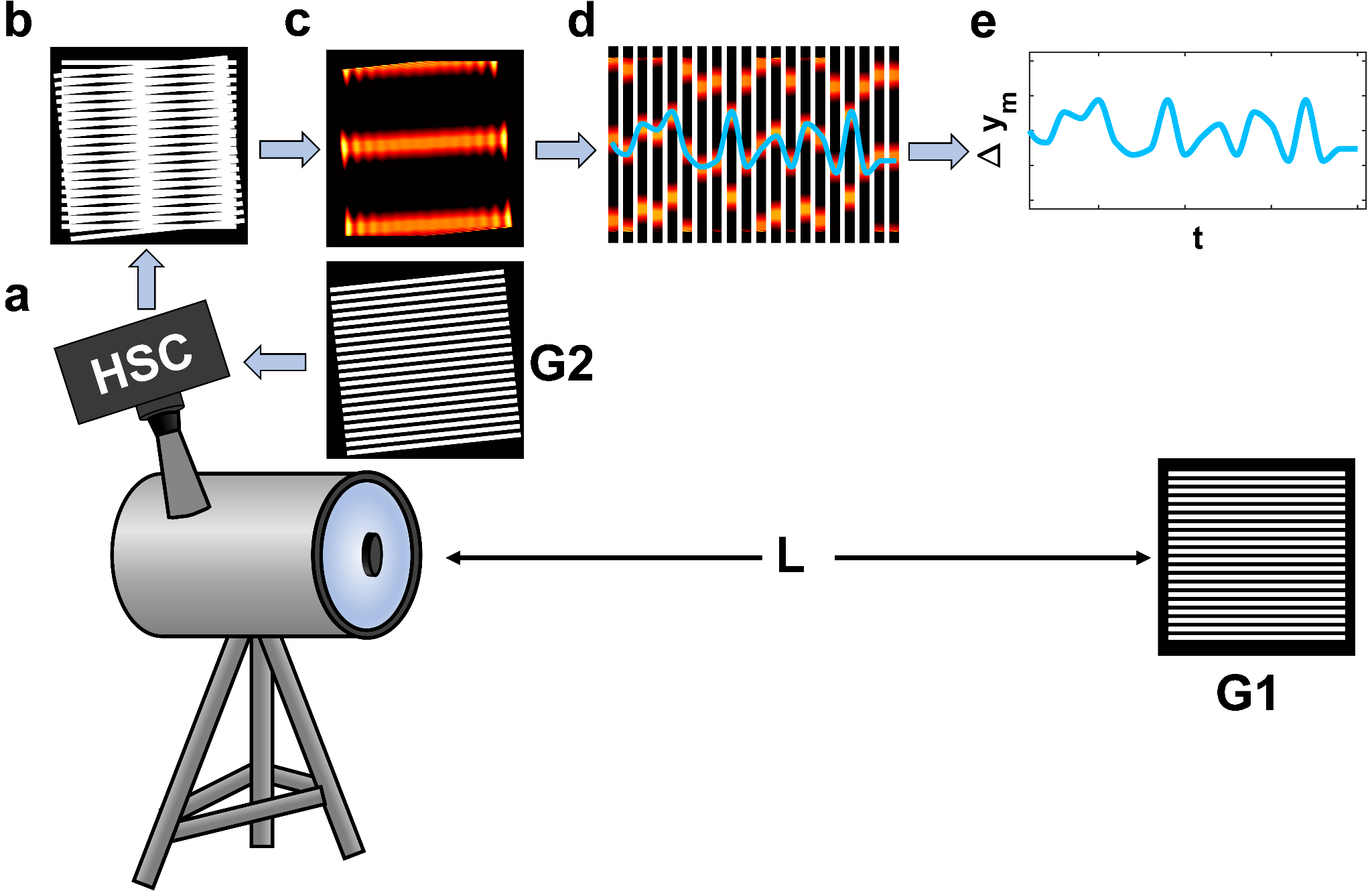
Remote sensing of dynamic ground motion via a Moire-based apparatus

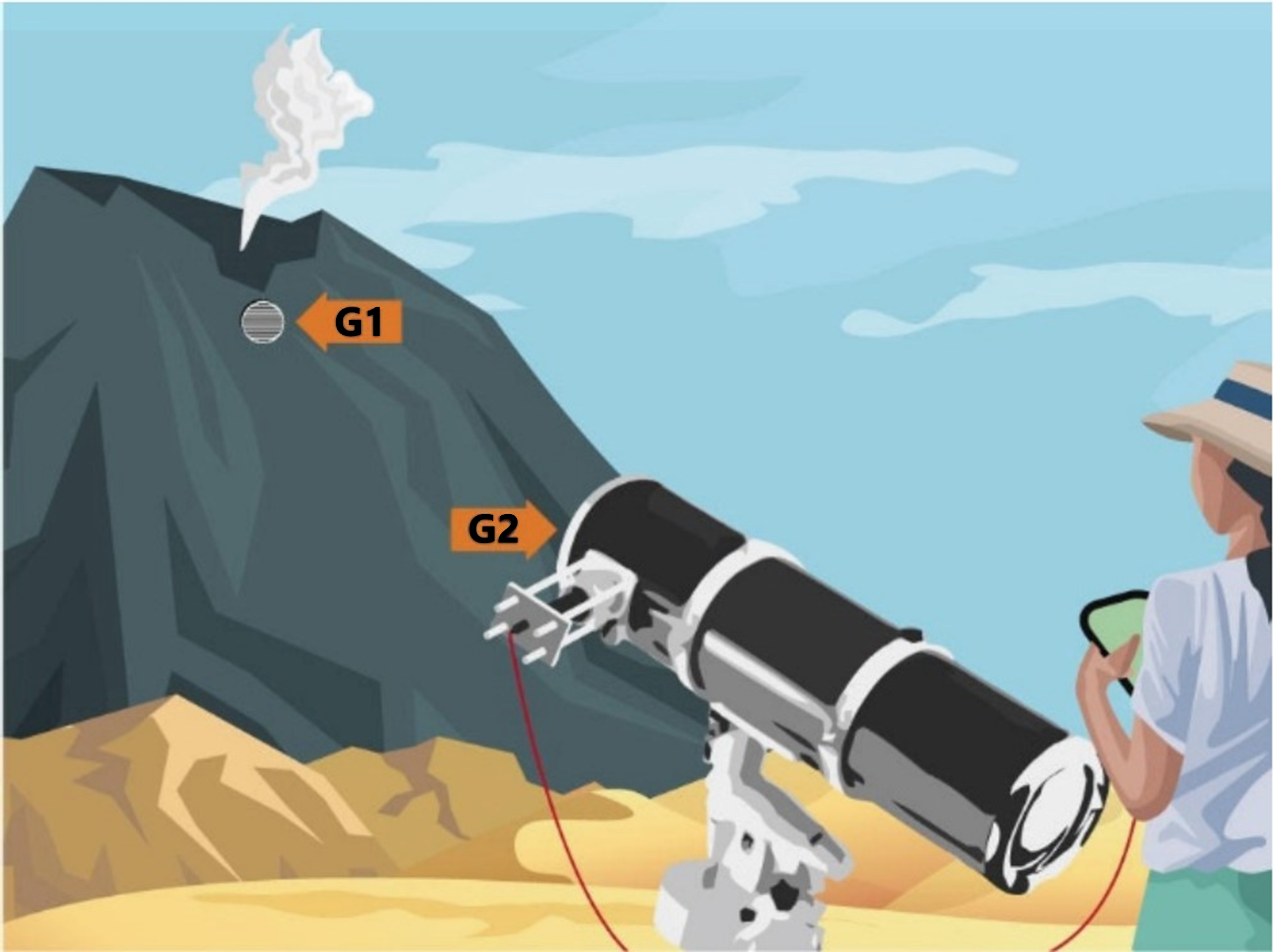
This work uses the displacement-magnifying properties of Moire patterns to detect subtle ground motion in hard-to-access environments such as active volcanic regions.

It presents the apparatus design, remote sensing setup, implementation limits, and applications in volcanology, geophysics, structural analysis, and metrology.

Moire sensing / ACI

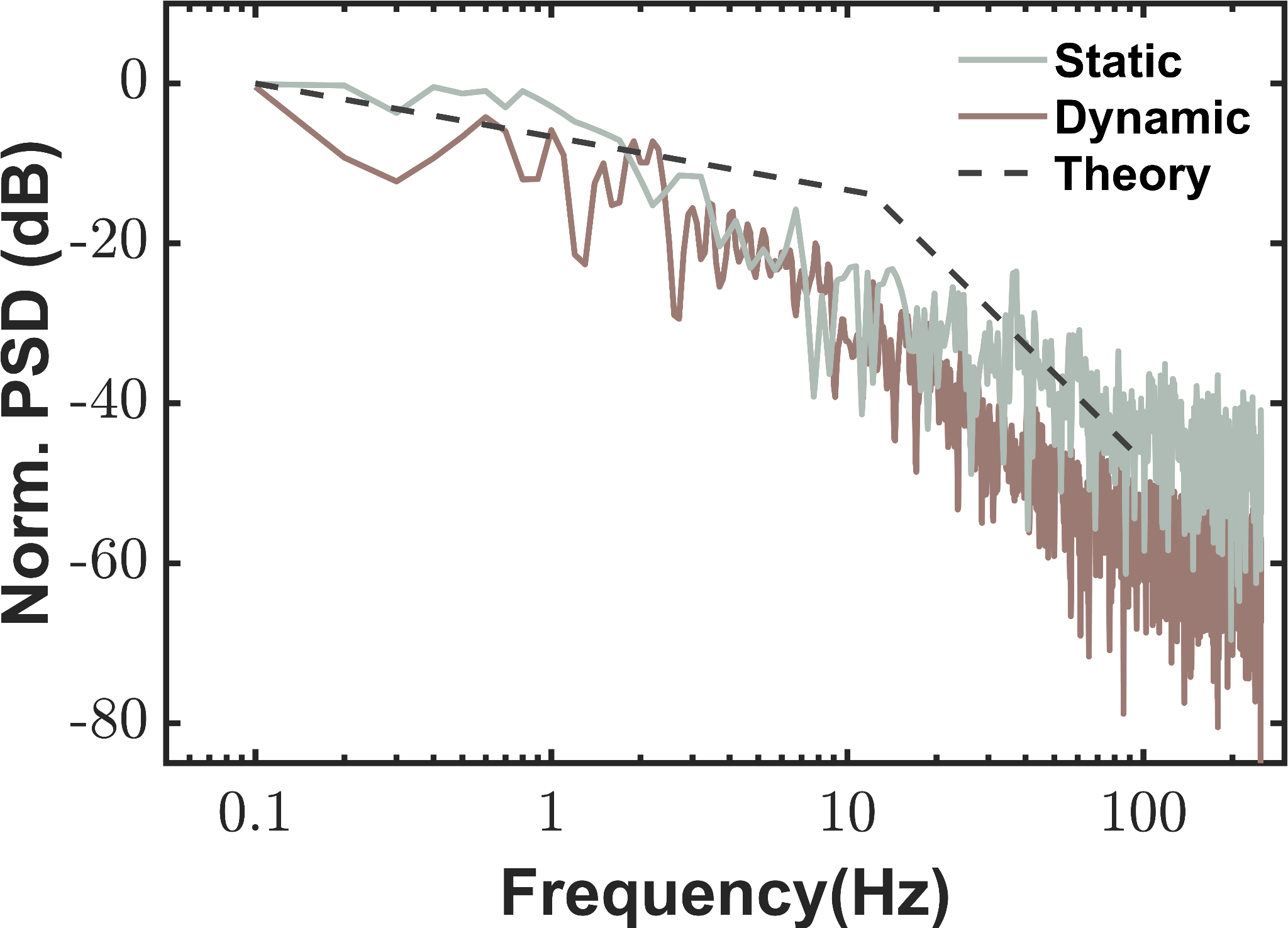
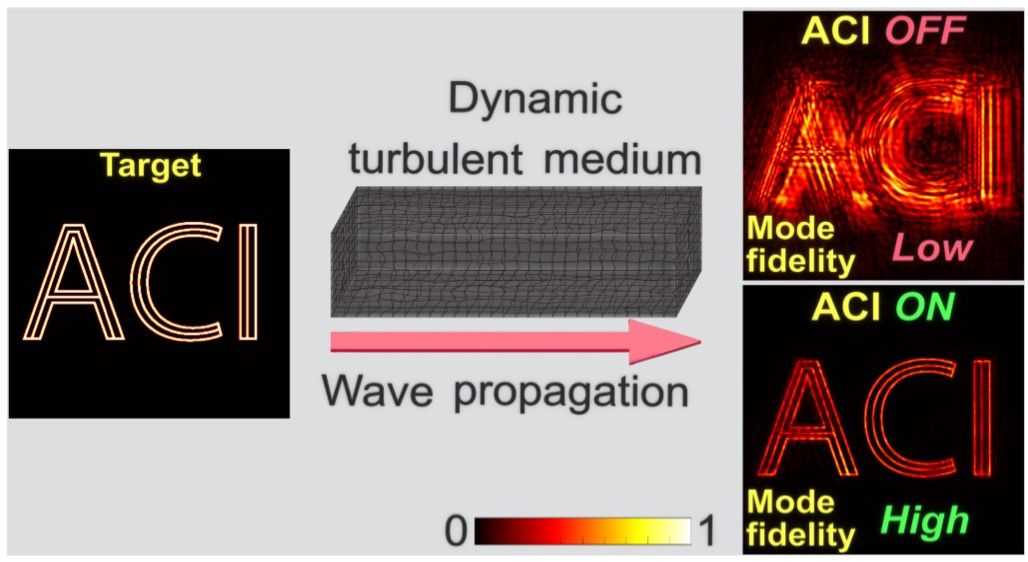
Remote Sensing of Seismic Signals via Enhanced Moire-Based Apparatus Integrated with Active Convolved Illumination

Seismic monitoring in hazardous environments is difficult because accessibility is limited and atmospheric turbulence can distort remote measurements.

This project integrates ACI with a Moire-based apparatus to improve high-precision, non-invasive, and scalable sensing of subtle ground displacement.

Atmospheric turbulence, optical propagation, and simulation

Active optical compensation

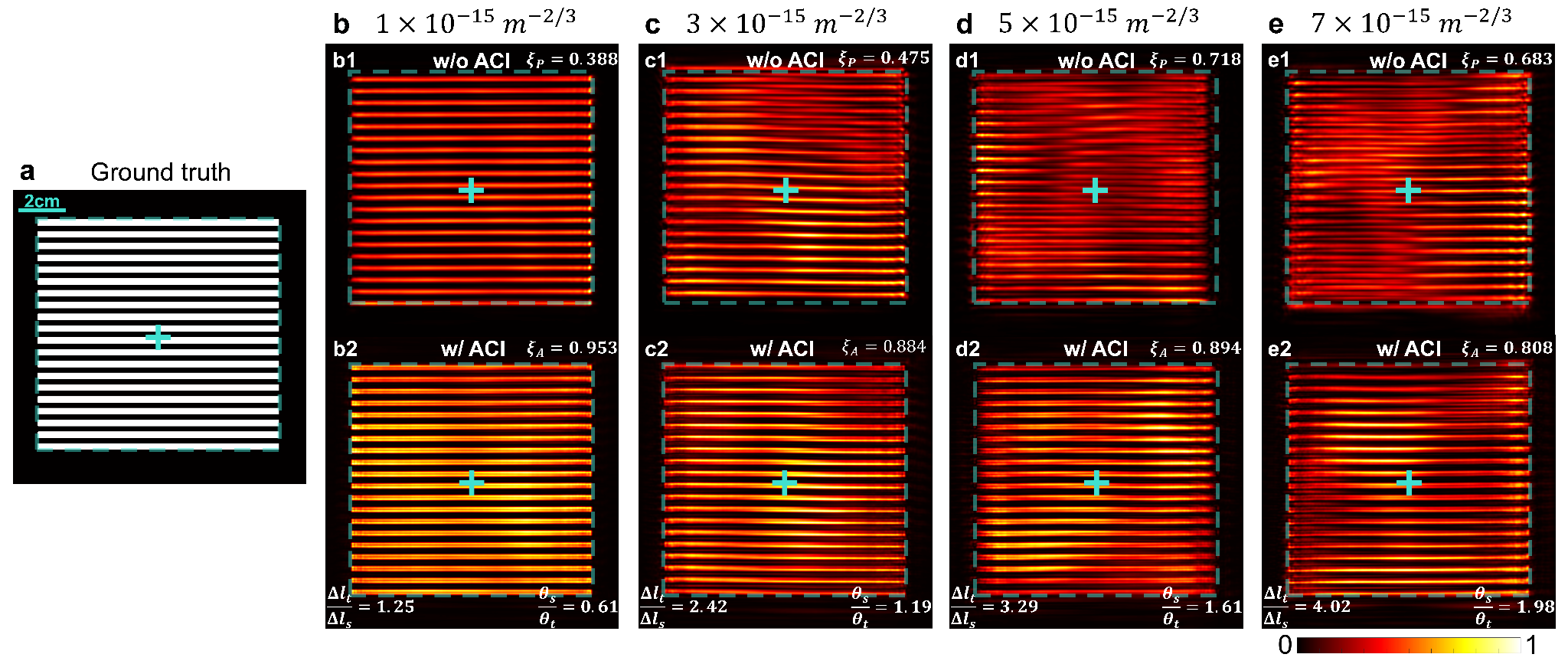
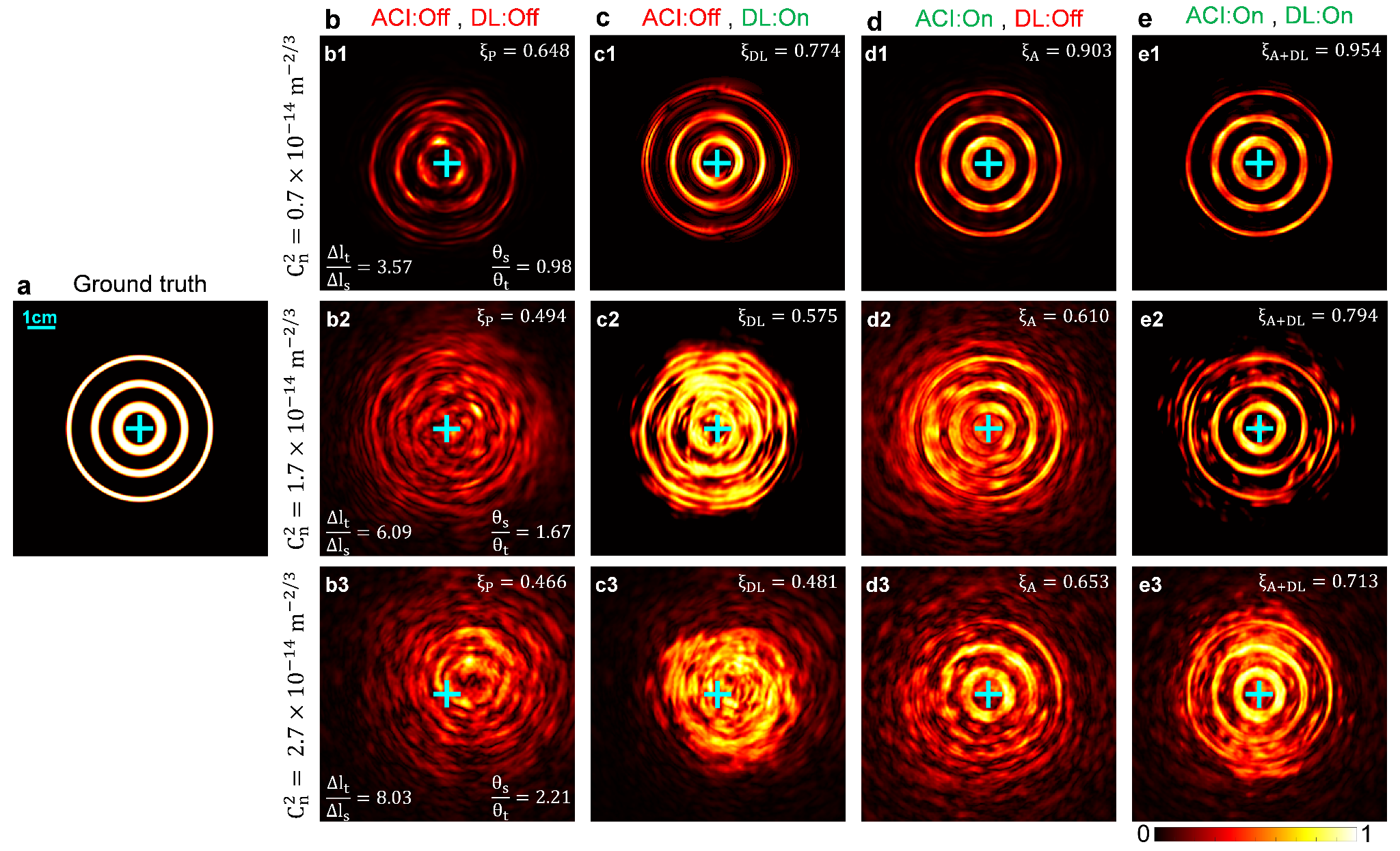
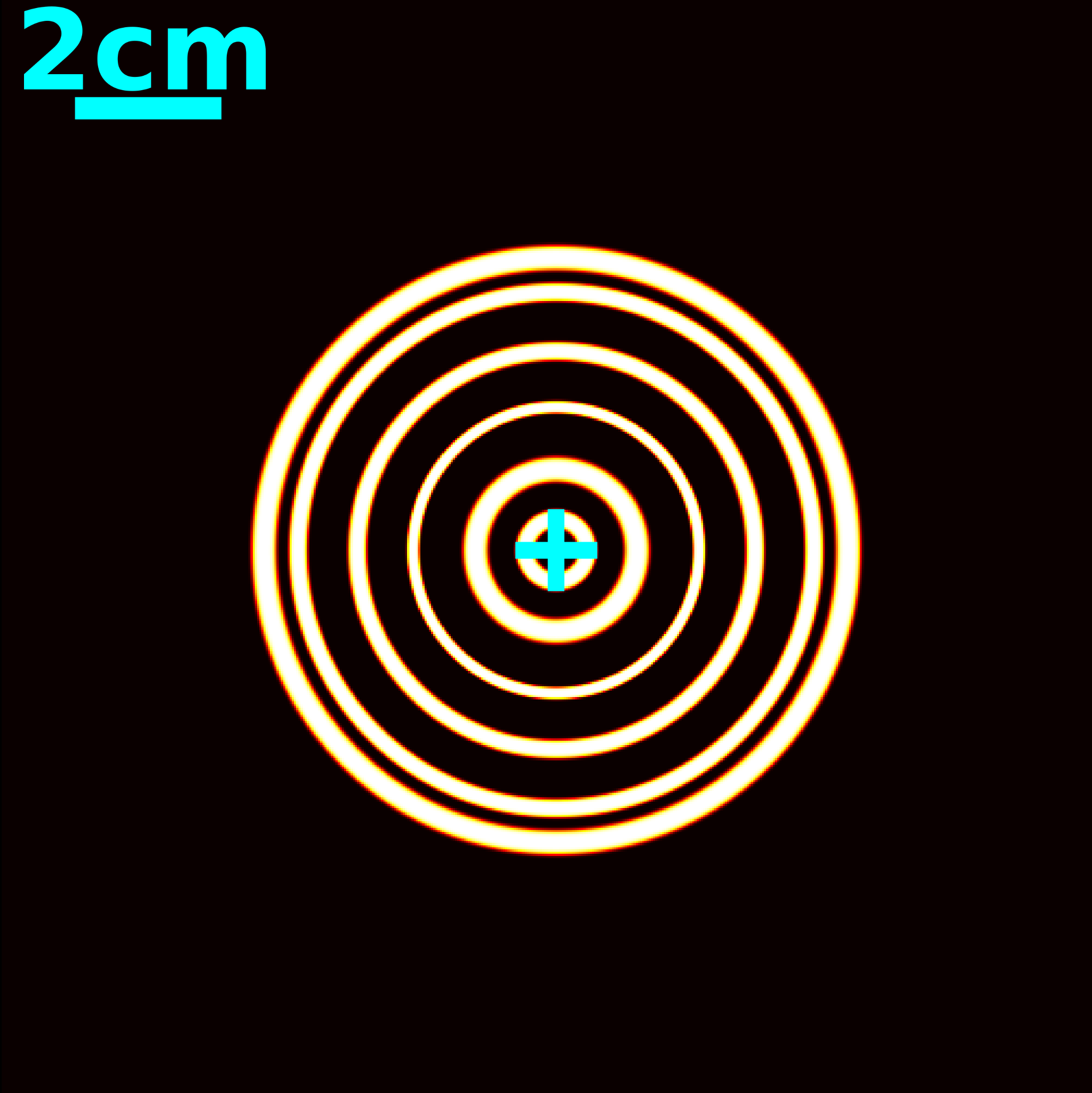
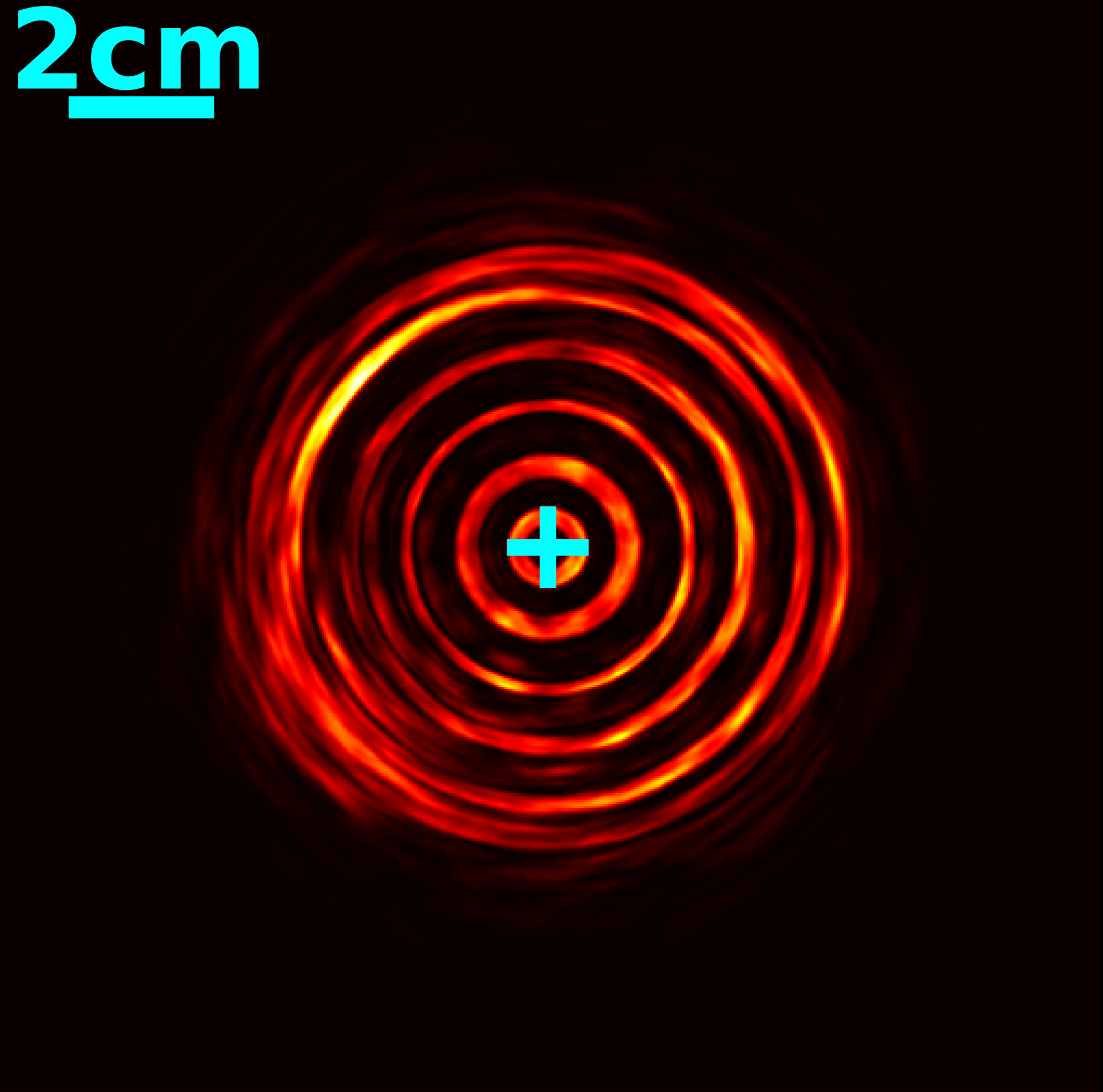
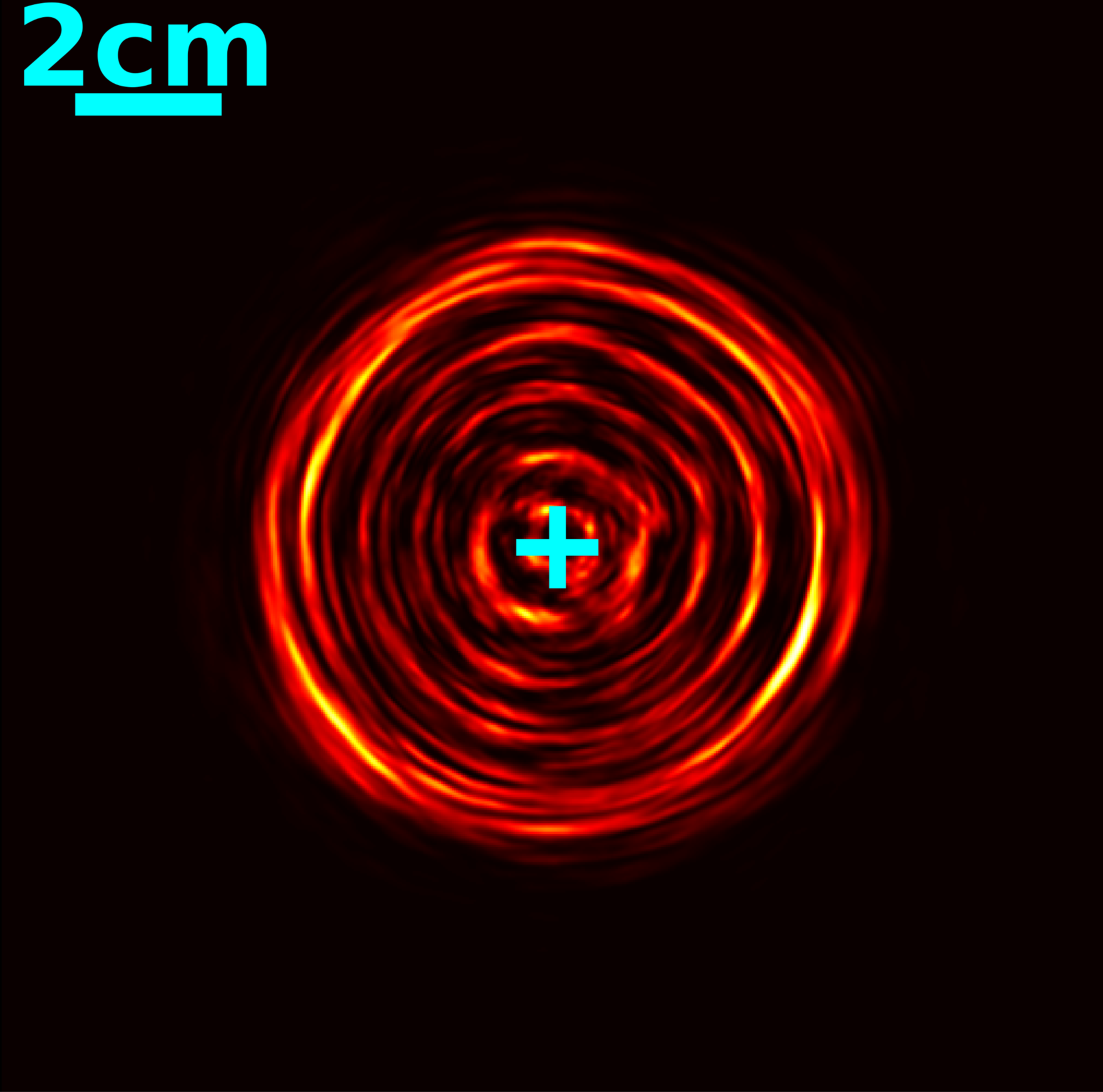
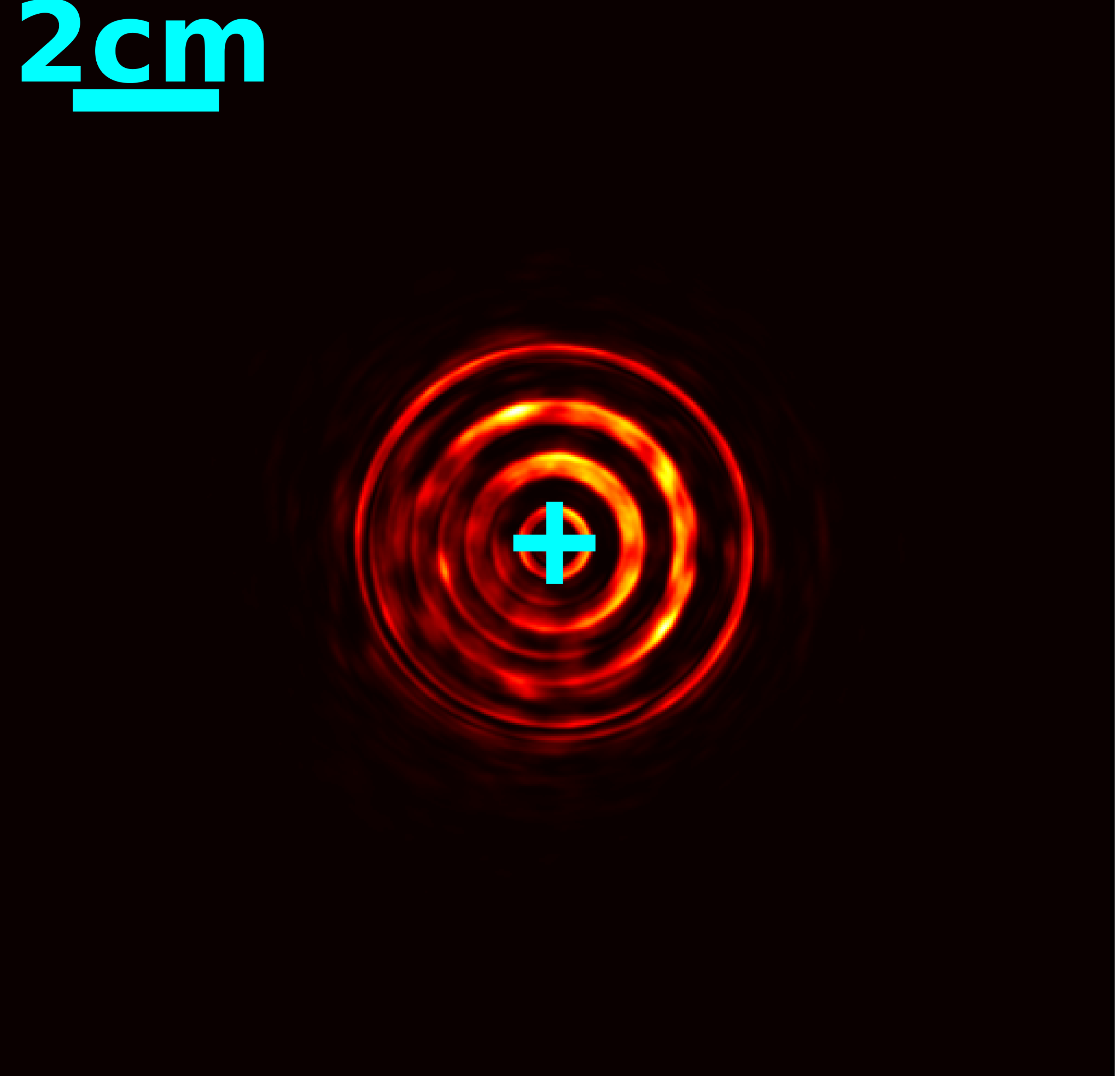
Enhancing Complex Light Beam Propagation in Turbulent Atmosphere with Active Convolved Illumination

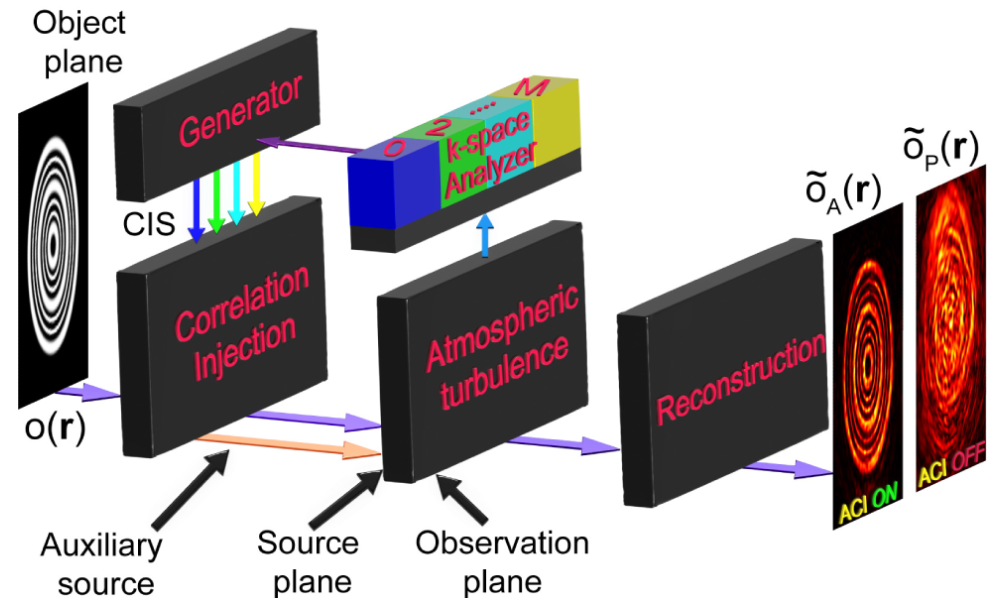
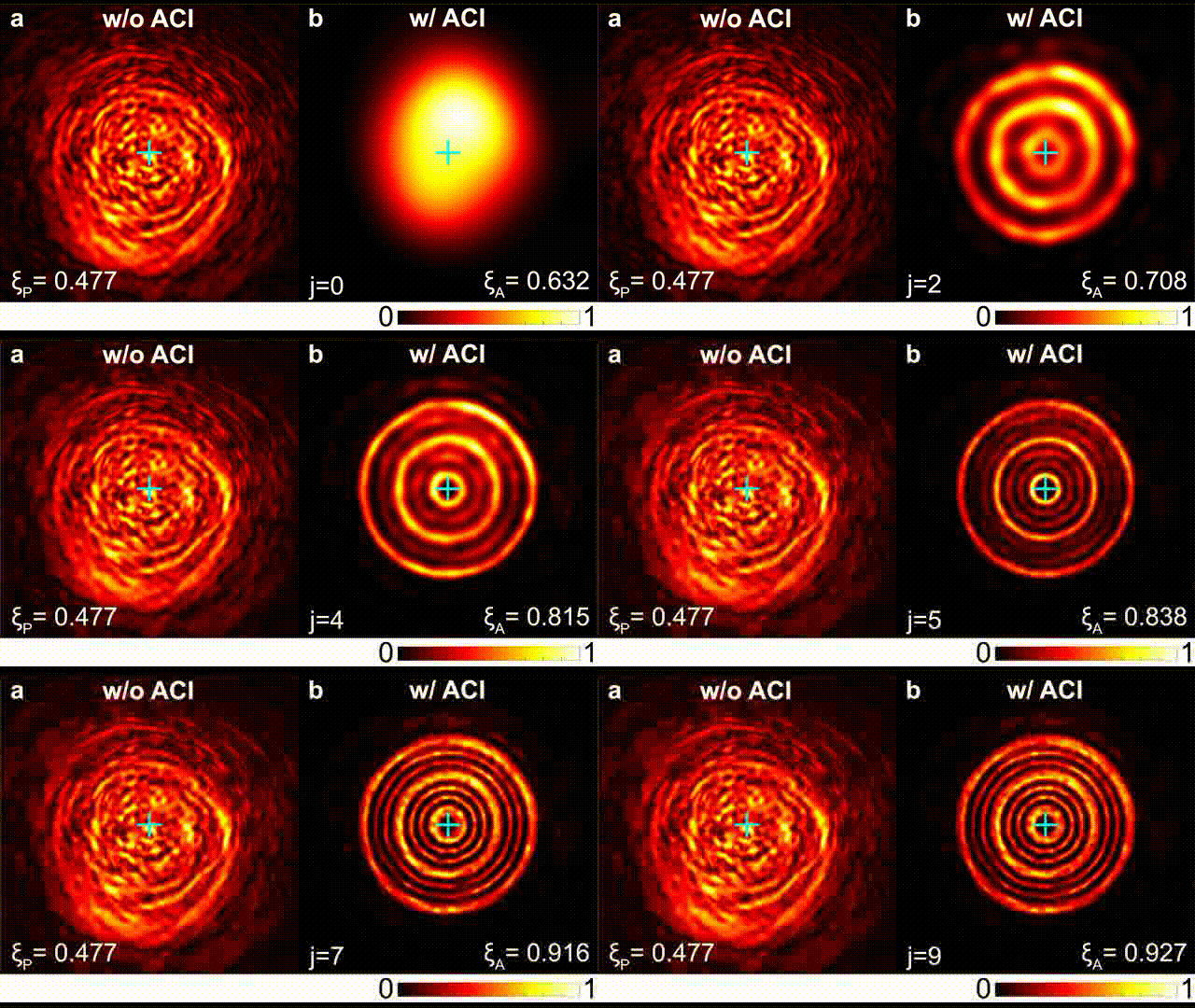
This work applies ACI to coherent light transmission through turbulent atmosphere, using an auxiliary source correlated with the target signal to counteract distortion and improve information transport.

The framework demonstrates up to a 20-fold resolution enhancement under moderate anisoplanatic conditions, with possible extensions to dynamic turbulence and scattering compensation.

Atmospheric simulation

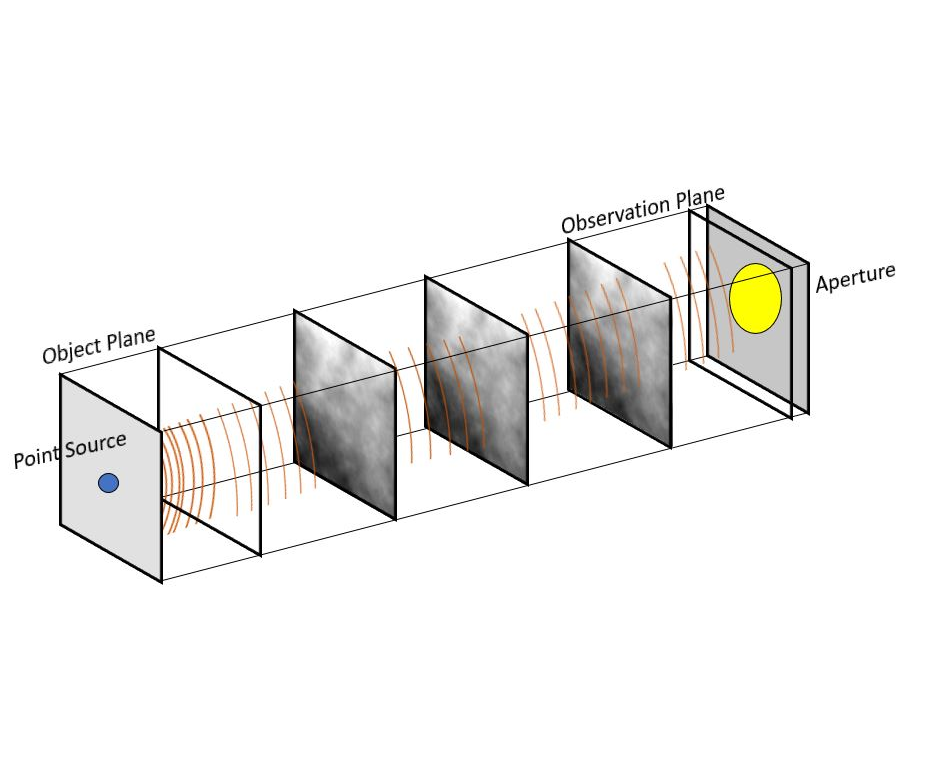
A common method for simulating turbulent atmosphere for optical imaging

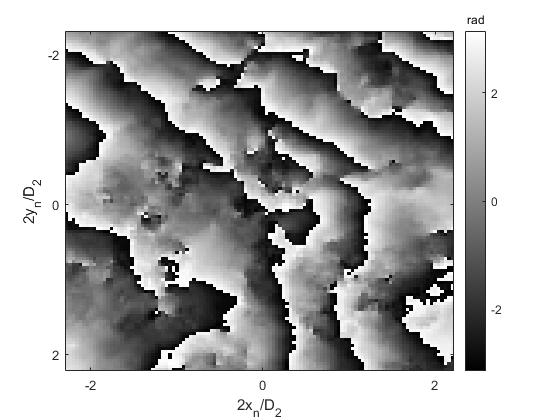
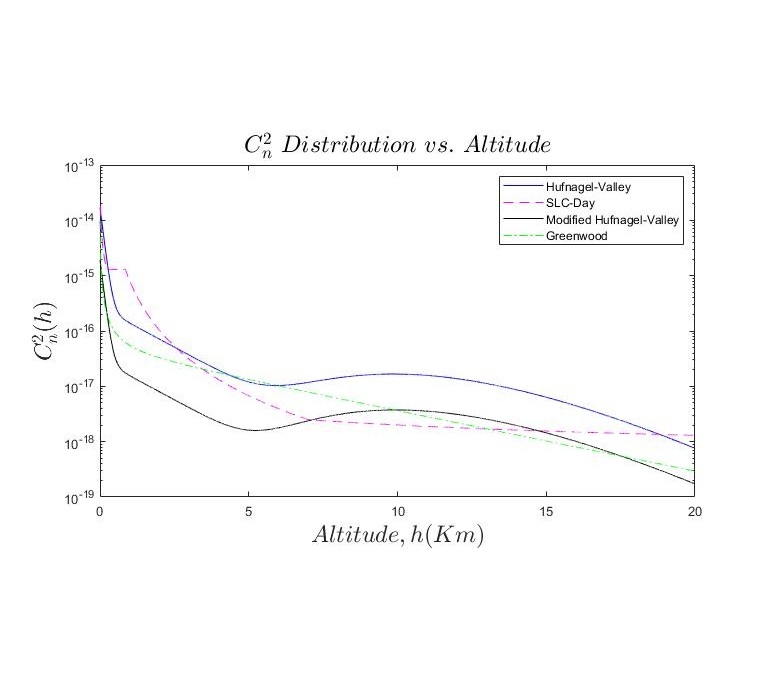
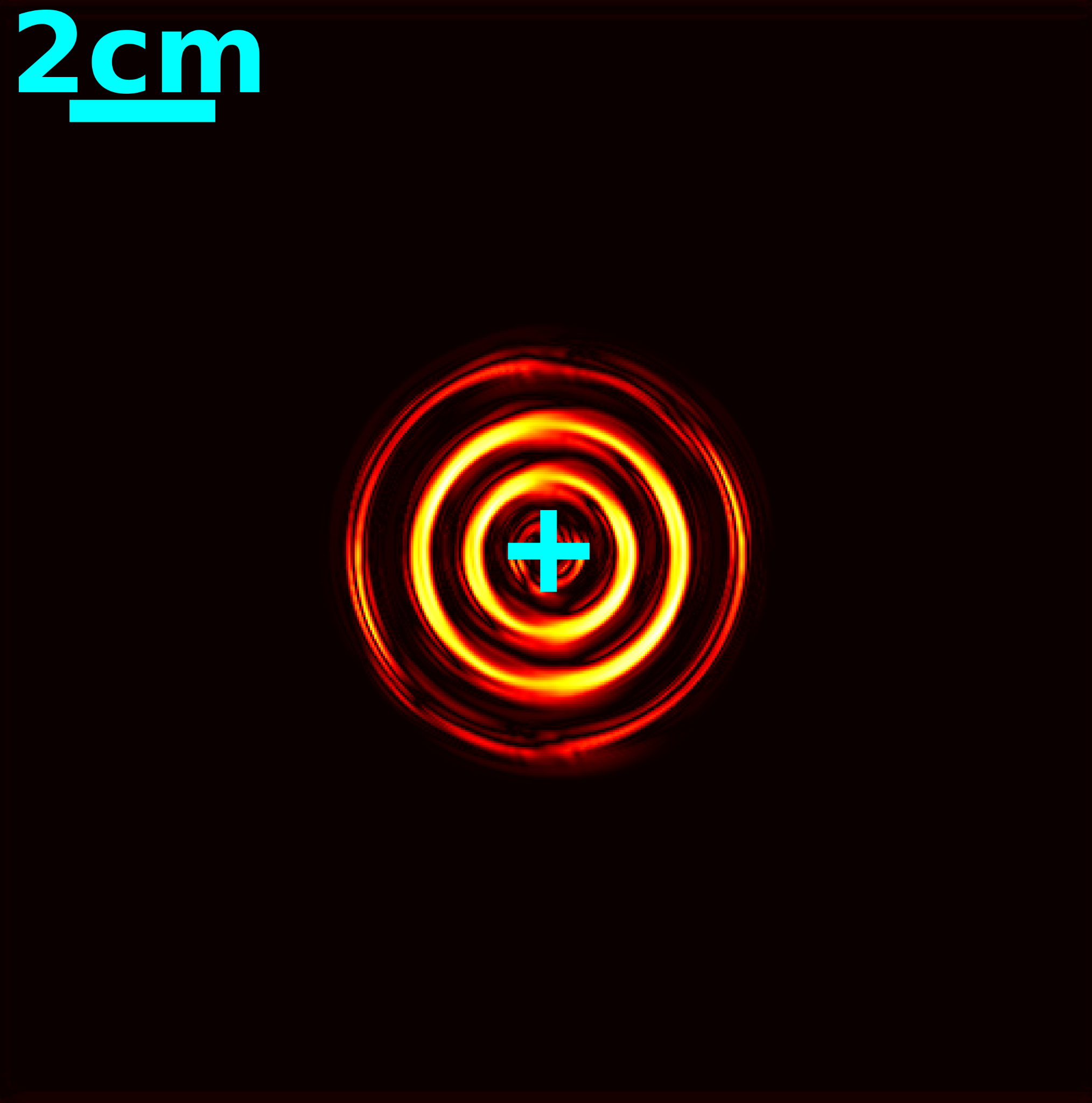
This project develops a practical framework for simulating atmospheric turbulence in optical imaging systems, including propagation paths, refractive-index structure parameters, phase spectra, finite simulation planes, and sampling.

It serves as a foundation for modeling turbulence-induced distortions and testing imaging methods over long horizontal paths.

Code Paper

Selected works

PROJECTS

Stock Picker project interface preview

Machine learning / finance

Stock Picker

Designed a machine learning model to support stock selection using historical market data, preprocessing, feature engineering, model training, and performance validation against benchmarks.

The project used LSTM and ARIMA models to predict stock prices with stronger accuracy and consistency.

Optical imaging / edge detection

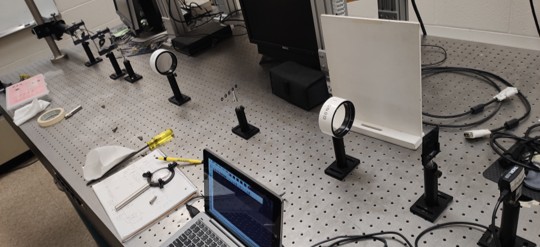
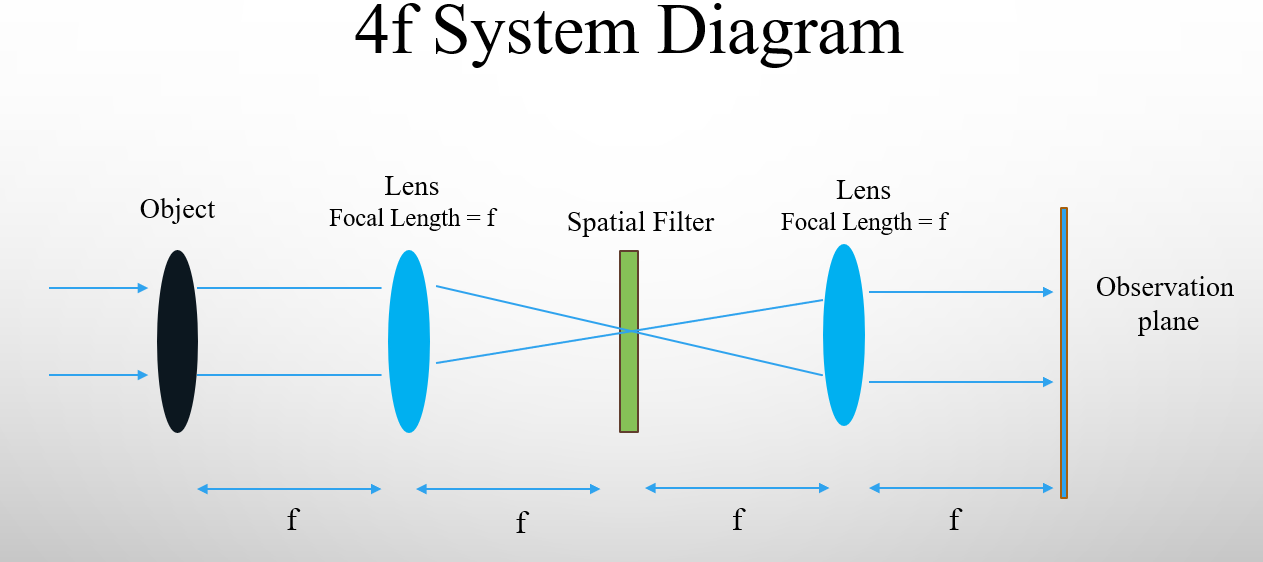
Analyzing optical system for edge detection using a 4F system

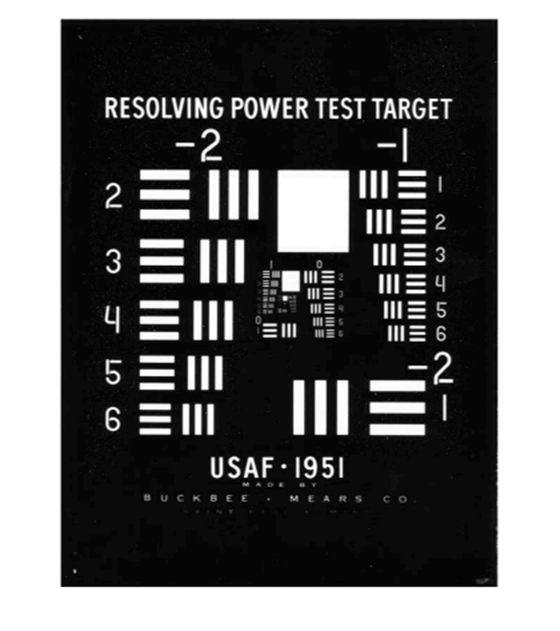
Built and analyzed a 4F optical imaging system to study spatial filtering and optical edge detection. The project explored how lens placement, Fourier-plane filtering, and target structure affect the observed image.

The work connected physical optics with computational analysis to evaluate image formation and edge-enhancement behavior in a controlled lab setup.

Metamaterials / antenna design

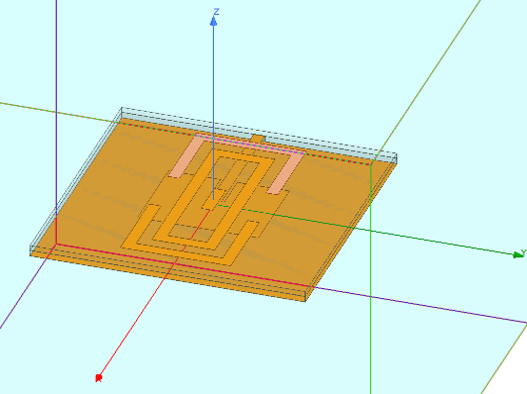
Design an innovative patch antenna utilizing metamaterials

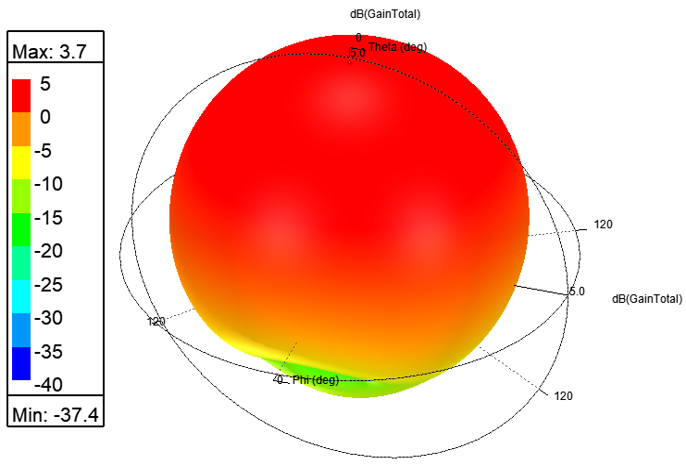
Investigated how metamaterials can enhance patch antenna performance for wireless communication systems. The project developed a modified antenna structure and evaluated how the added metamaterial features affected antenna behavior.

Simulations and analysis were used to study performance changes, validate the design approach, and better understand the mechanisms behind the antenna response.

Microfabrication / solar cells

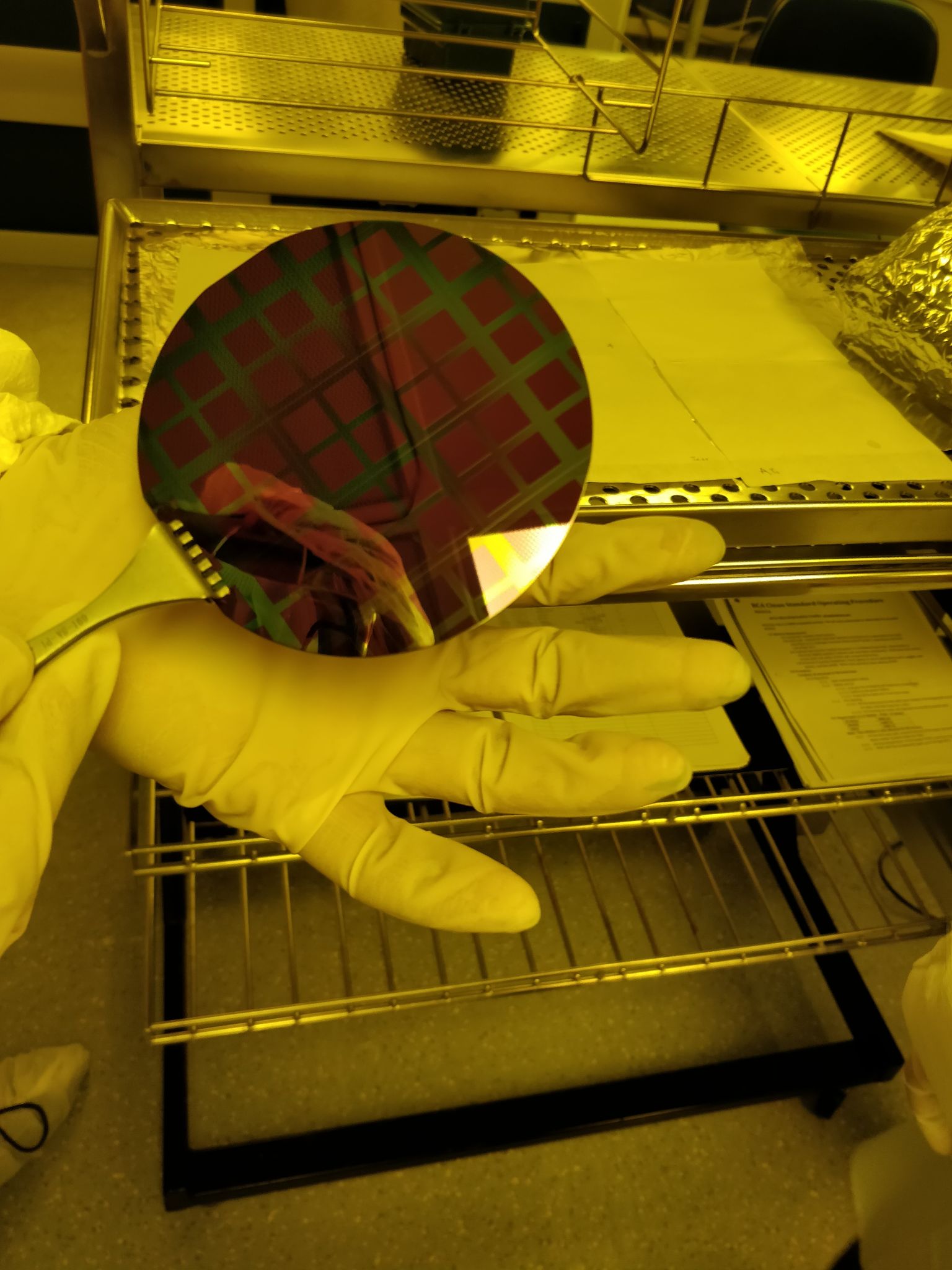
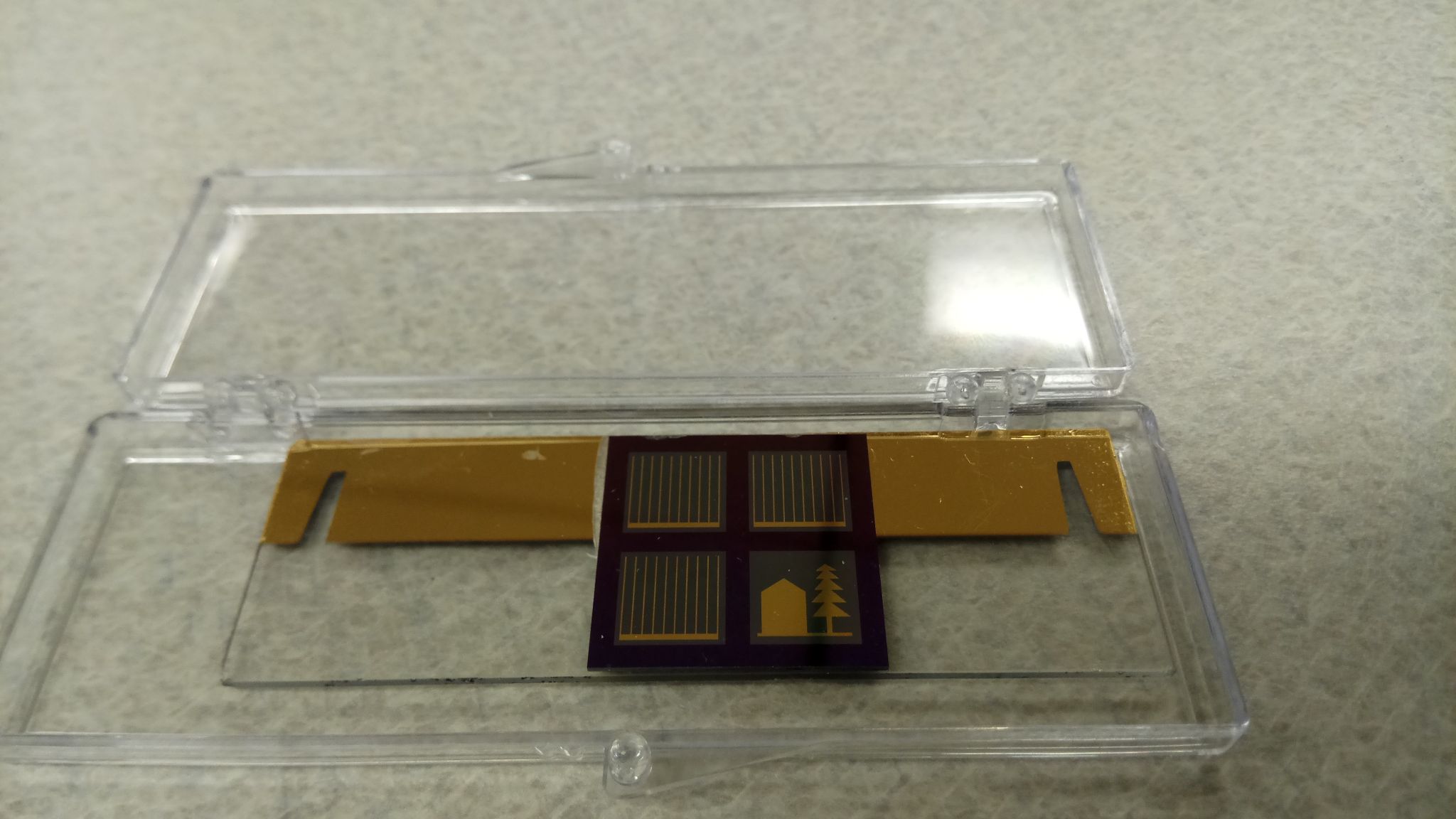
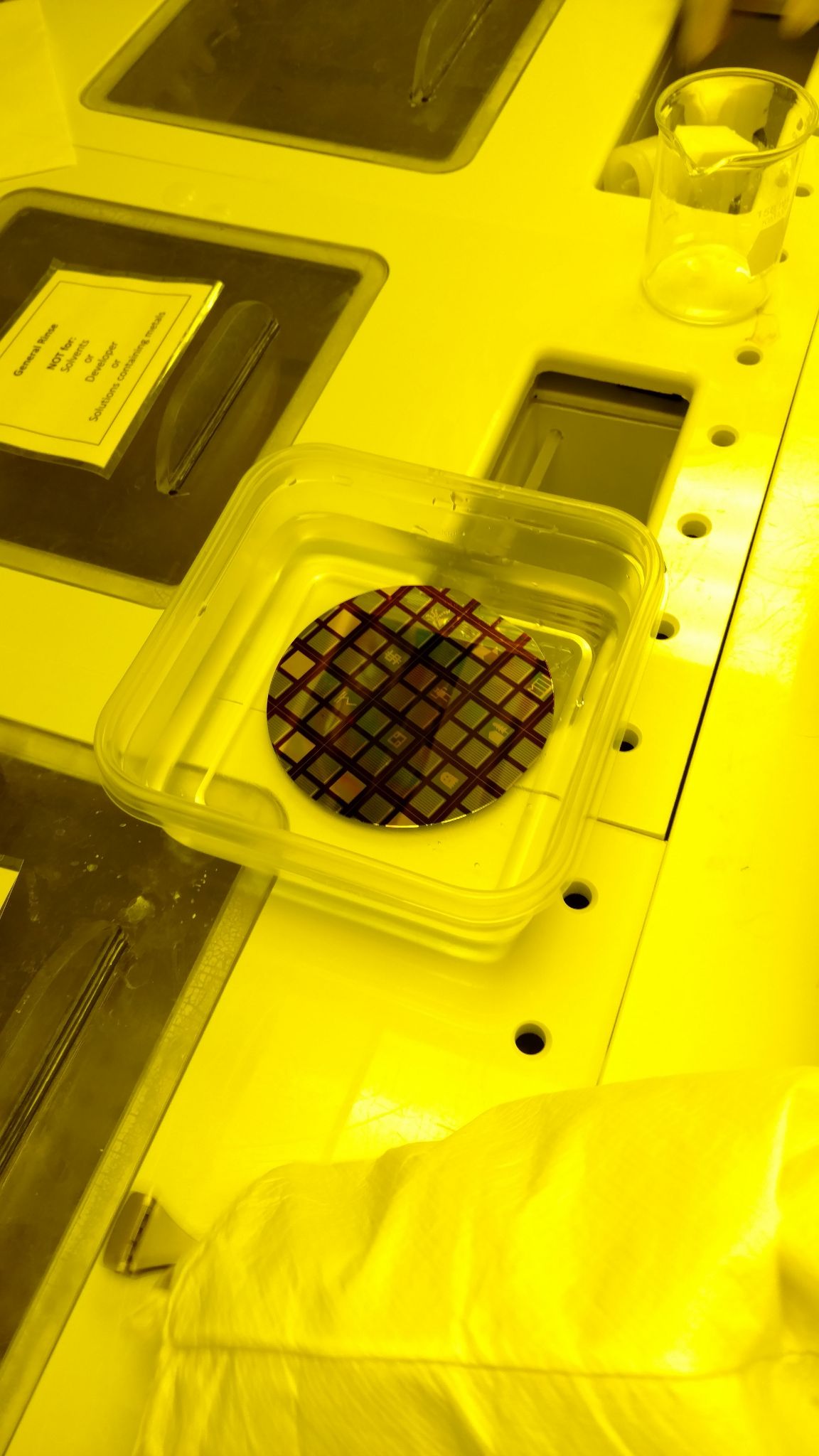
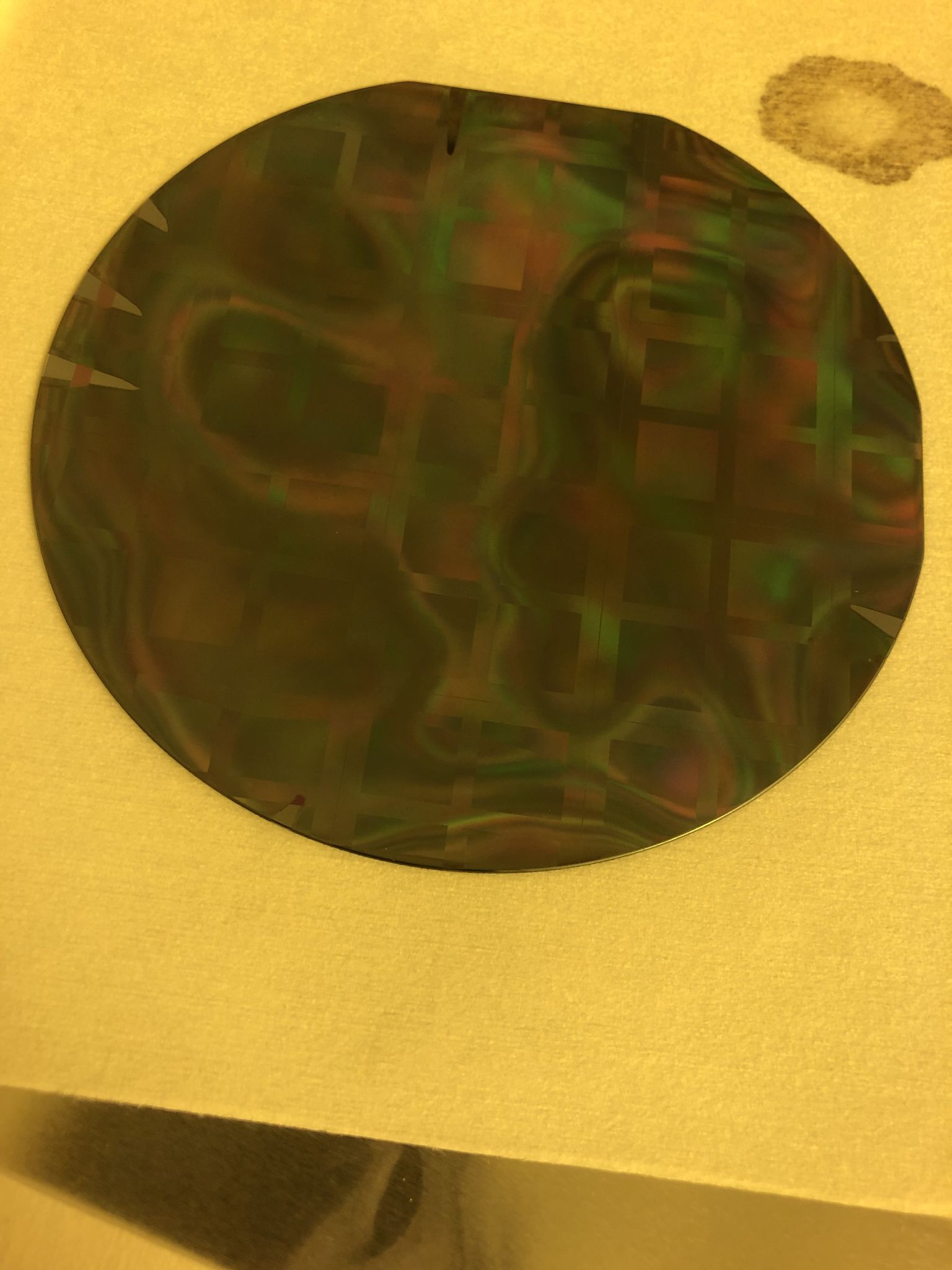
Fabricate solar cell on a silicon wafer

Gained hands-on experience fabricating solar cells on silicon wafers using microfabrication techniques in a cleanroom laboratory.

The project included photolithography, photoresist deposition, wafer development, etching, and process training across the main fabrication steps.

COMSOL / hyperbolic metamaterials

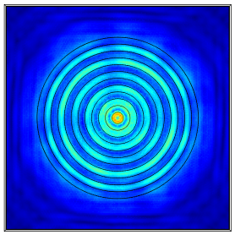
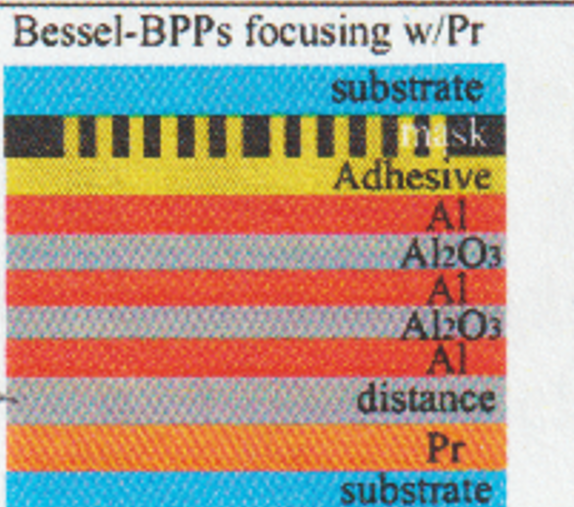
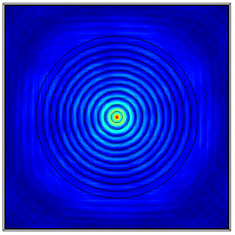
Simulated nanofocusing of circularly polarized Bessel-type plasmon polaritons

Reproduced and validated results from a research paper using COMSOL Multiphysics to simulate nanofocusing of circularly polarized Bessel-type plasmon polaritons in hyperbolic metamaterials.

The project strengthened my experience with numerical modeling, electromagnetic field analysis, boundary-condition setup, and simulation workflows for structured optical materials.